.png)
You're standing in a family photo in Delaware, smiling with your lips closed because one crowded tooth has bothered you for years. Or perhaps a dentist has suggested an orthodontic evaluation, your child has started braces, or a work video call has made an old bite concern impossible to ignore. The question is natural: should adults get braces, or is treatment too disruptive to be worthwhile now?
Age alone rarely answers that question. A thoughtful decision considers the desired result, gum and bone health, existing dental work, daily habits, treatment length, cost, and the retention required afterward. Braces or clear aligners may improve alignment and bite, but the safest choice starts with an individualized examination rather than an appliance advertisement.
Table of Contents
- Is Adult Orthodontics Right for You
- The Rising Reality of Adult Braces in America
- Comparing Braces Options for Adults
- Understanding Treatment Timelines and Retention
- Navigating Cost, Insurance, and Daily Commitment
- Safety Considerations for Adults with Dental History
- Your Next Step in Delaware
Is Adult Orthodontics Right for You
An adult considering treatment usually has more than one concern. A crowded lower tooth may be difficult to floss around. A bite may feel uneven when chewing. Teeth may have shifted after earlier orthodontic treatment, or the main motivation may be feeling more comfortable in photographs. None of those reasons is superficial, and none automatically means that braces are necessary.
A useful first step is to name the outcome that matters most. Someone preparing for frequent presentations may prioritize a discreet appliance. Someone with difficult-to-clean crowding may care more about access for brushing and interdental cleaning. Another adult may want to address spacing, overbite, crossbite, or relapse after previous treatment. The orthodontist's role is to connect that priority with what the teeth, gums, bone, and bite can safely support.

Questions worth asking before treatment
An adult consultation becomes more useful when the patient arrives with specific questions:
- What needs correction? Is the concern crowding, spacing, bite function, tooth wear, relapse, or appearance?
- What must happen first? Untreated decay, active gum inflammation, or infection may need attention before orthodontic movement.
- What result is realistic? Adult teeth can move, but existing restorations, bone support, and previous dental work may shape the plan.
- What will daily life require? Braces and aligners both demand cleaning, appointments, and cooperation.
- What happens after removal? Retainers are part of treatment, not an optional afterthought.
The answer to “should adults get braces” is therefore personal. Treatment may make sense when the expected improvement in function, hygiene access, alignment, or confidence justifies the time and care involved. A consultation helps separate a genuine clinical opportunity from pressure created by trends or comparison.
The Rising Reality of Adult Braces in America
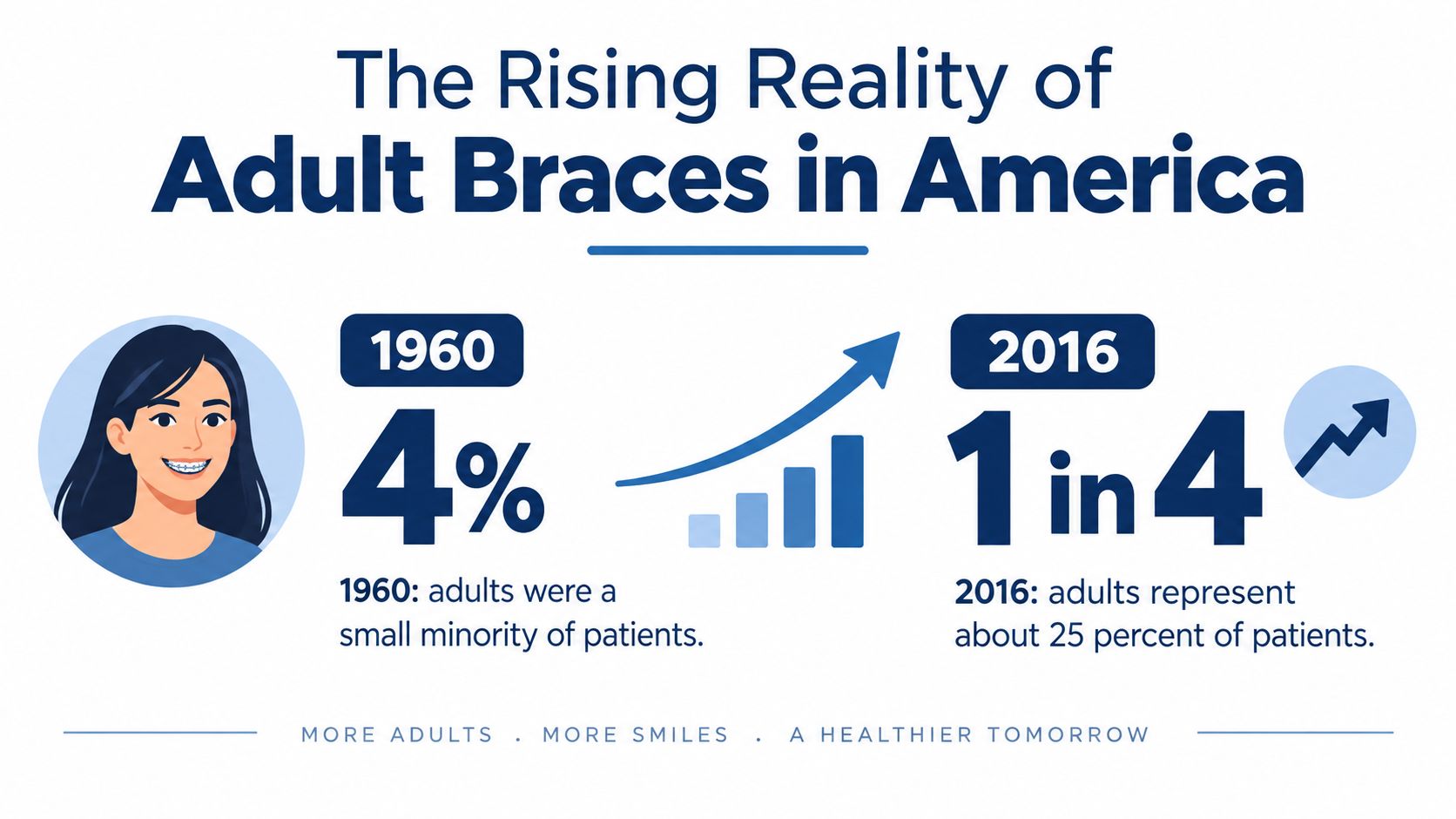
Adult orthodontics has moved from a niche service into a substantial part of orthodontic care. Historical survey data reported that adults represented 4.37% of orthodontic patients in 1960, while the median share reached 20% by 2007. A later American Association of Orthodontists survey found that adults accounted for 28.31% of orthodontic patients in 2016, more than six times the 1960 proportion, as reported in this review of adult orthodontic treatment trends.
The number of adults receiving active care has also grown. Approximately 1.91 million adults were receiving active orthodontic treatment in the United States in 2024, compared with about 1.64 million in 2022, according to the same source. That pattern supports a practical conclusion for Delaware patients: adult treatment isn't unusual, and orthodontic practices routinely plan care around adult priorities such as work, family schedules, previous dental treatment, and discreet appliances.
Why the shift matters clinically
Clearer and less noticeable appliances have made orthodontic care easier to consider in professional and social settings. Clinical familiarity with adult cases has expanded as well, although each adult still needs individual planning. Fillings, crowns, missing teeth, gum recession, bone loss, clenching, grinding, smoking exposure, and medical conditions can change the safest way to move teeth.
The growth also challenges an outdated assumption that orthodontics is mainly for children. Adults may seek treatment for crowding, spacing, bite problems, relapse, or cosmetic improvement, and those goals can overlap. Straighter teeth aren't automatically healthier teeth, but an appropriate plan may make certain areas easier to clean and may improve how the teeth meet.
For Delaware families, adult evaluations are available through Stellar Orthodontics in North Wilmington, Middletown, West Dover, and Millsboro. The relevant question isn't whether other adults receive treatment. It's whether the proposed movement is appropriate for the individual's oral health, bite, schedule, and long-term goals.
Comparing Braces Options for Adults
Adults typically compare appliances by appearance, convenience, cleaning, and clinical suitability. Traditional metal braces remain visible but give the orthodontist continuous control through fixed brackets and wires. Clear ceramic braces use tooth-colored brackets and may be less noticeable, while still remaining fixed to the teeth.
Clear aligners offer removable trays and a discreet appearance. That flexibility can help during meals, brushing, and selected social occasions, but the patient must wear the aligners as directed and keep track of them. Removability isn't the same as low responsibility.
| Option | Visibility | Removable | Best For |
|---|---|---|---|
| Metal braces | Most visible | No | Adults needing fixed, versatile tooth movement |
| Clear ceramic braces | Less noticeable | No | Adults wanting a fixed appliance with a subtler appearance |
| Clear aligners | Discreet while worn | Yes | Adults whose treatment plan suits removable trays and who can follow wear instructions |
Matching the appliance to real life
A professional who speaks often may value a discreet option, but speech comfort and adaptation still matter. A parent with a busy schedule may appreciate removable aligners, yet missed wear time can interfere with progress. Someone who tends to snack throughout the day may find fixed braces simpler than repeatedly removing and replacing trays, while another patient may prefer brushing without brackets in the way.
The clinical problem comes first. Not every appliance is suitable for every movement, and a less visible option isn't automatically a better option. An orthodontist should explain which movements are planned, how much patient cooperation they require, and whether the proposed appliance can achieve the desired result safely.
Adults comparing details can review this guide to types of braces for adults, then use the consultation to discuss the differences in relation to their own bite. The strongest choice is the one that balances clinical control, appearance, hygiene, and reliable follow-through, not the one that looks most attractive in an advertisement.
Understanding Treatment Timelines and Retention
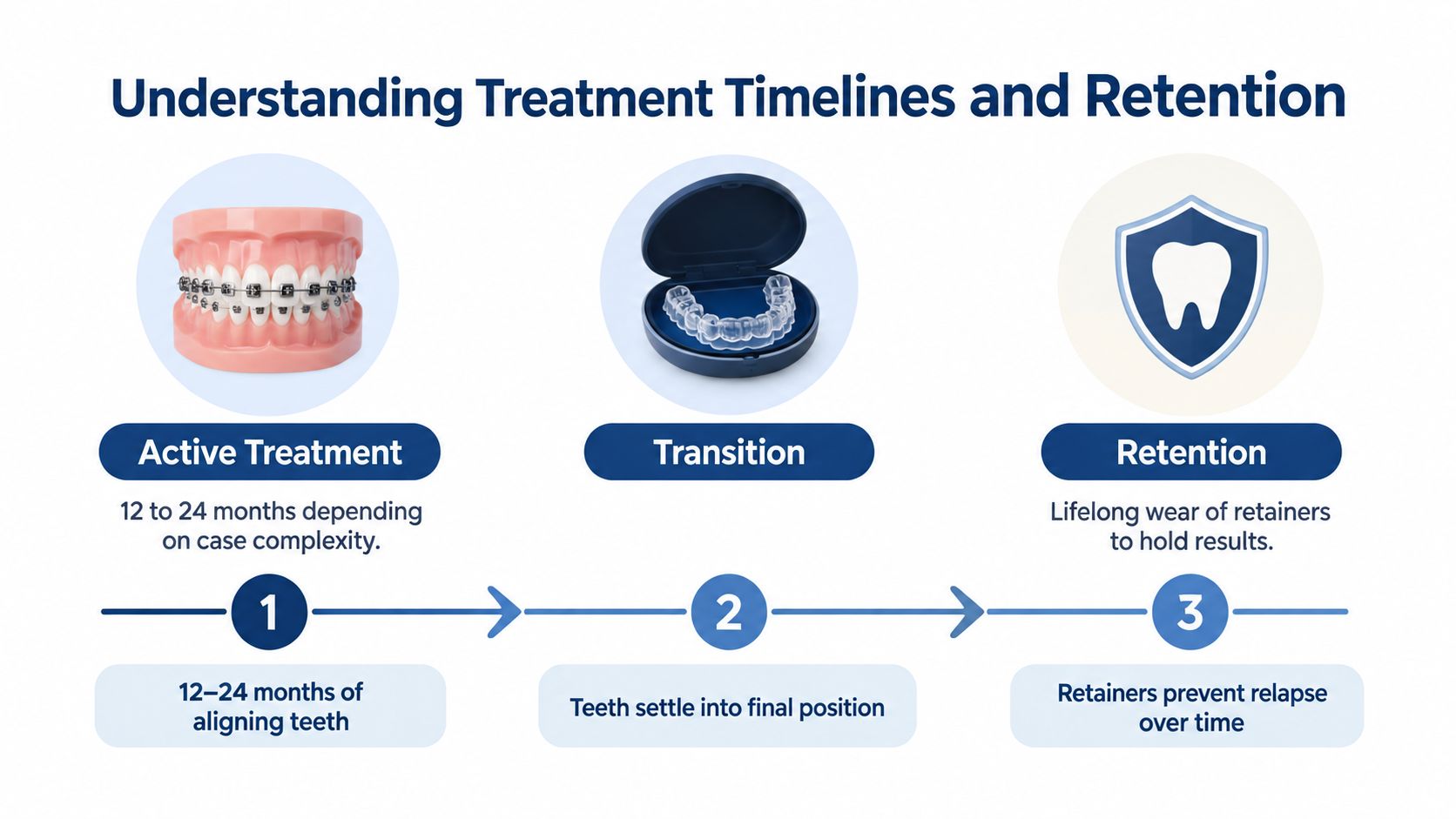
Adult orthodontic treatment is measured in months, not weeks. The NHS states that treatment usually lasts 12 months to 2.5 years, with appointments generally scheduled every 4 to 10 weeks, as explained in its guidance on braces and orthodontics. A 2024 study of 128 adults reported an average treatment duration of 18.6 months, with a standard deviation of 4.8 months; the participants had a mean age of 32.4 years. That study is summarized in this clinical research on adult orthodontic treatment.
The American Association of Orthodontists reported a median active-treatment length of 22 months, with median appointment intervals of 6 weeks for braces and 10 weeks for aligners, using the same supporting research source. Actual timing depends on the bite, movement complexity, appliance, biology, appointment attendance, and adherence to instructions.
Retention is part of the result
When braces or aligners finish moving the teeth, the active phase ends, but care doesn't end. Teeth can shift toward earlier positions, so retainers help hold the result while the surrounding tissues adapt. A retainer may be fixed behind the teeth, removable, or used in a personalized combination.
The practical responsibilities include:
- Wear instructions: Follow the prescribed schedule rather than deciding independently when a retainer is no longer needed.
- Cleaning: Keep removable retainers clean and handle fixed retainers carefully during interdental cleaning.
- Replacement planning: Retainers can be lost, damaged, or worn, so patients should know whom to contact if one stops fitting.
- Long-term follow-through: Retention needs continue after active treatment, even when the smile appears stable.
Practical rule: A treatment plan that explains only how teeth move, but not how results will be retained, is incomplete.
Adults considering treatment can read more about how long braces take for adults. At a free consultation, an iTero digital scan can help show the current bite and support a discussion about expected movement, though no scan can replace clinical judgment.
Navigating Cost, Insurance, and Daily Commitment
An adult may accept a monthly payment but underestimate the time, preparation, and follow-through that treatment requires. Cost remains a major barrier. One study found that cost was the leading obstacle at 34.5%, followed by treatment duration at 19.5% and pain or discomfort at 15.7%, according to this research on barriers to orthodontic treatment. In a separate study of participants with lower socioeconomic status, 81.8% cited cost as the primary reason for not seeking treatment. The finding points to affordability as an access issue, not only a preference.
According to a 2024 survey by the American Association of Orthodontists, the average financed orthodontic payment was $211 per month. That figure is a reference point, not a universal price. Treatment complexity, appliance selection, diagnostic needs, region, insurance benefits, and provider policies can all change the final arrangement. Adults can also review our detailed cost and insurance guide before comparing payment options.
Build the full treatment estimate
A useful estimate should show what happens before, during, and after active treatment. Ask whether the quoted amount includes:
- Records and diagnostics: Scans, photographs, radiographs when indicated, and treatment planning.
- Preparatory dental care: Treatment for decay, gum inflammation, infection, or other conditions before tooth movement.
- Active appointments: Visits, adjustments, replacement components, or lost aligners where applicable.
- Retention: Initial retainers, future replacements, and follow-up expectations.
- Lifestyle costs: Travel, time away from work, and changes to cleaning or meal routines.
Insurance coverage varies. A plan may have age restrictions, lifetime limits, waiting periods, or exclusions for particular services. Stellar Orthodontics accepts most major dental insurance plans and offers flexible monthly payment arrangements, including options with $0 down, according to the practice information provided. Confirm eligibility and benefits before committing.
The right comparison is not only the monthly payment. It is the expected improvement weighed against financial cost, cleaning demands, appointment time, and the long-term responsibility of retention. A clear discussion of alternatives and payment terms helps adults make a decision that fits both their bite and their daily life.
Safety Considerations for Adults with Dental History
A history of gum disease, bone loss, crowns, or missing teeth doesn't automatically rule out orthodontic treatment. The important distinction is between a controlled dental condition and active disease. Evidence indicates that tooth movement produces minimal periodontal changes in adults without active periodontitis and in patients whose periodontitis has been stabilized, as described in this systematic review of orthodontic movement and periodontal health.
A 2025 expert consensus found that orthodontic movement in patients with well-controlled periodontitis didn't significantly worsen periodontal outcomes, gingival inflammation, gingival recession, or root resorption. The evidence still requires careful interpretation because adult cases vary, and treatment doesn't replace periodontal therapy.
The periodontal checkpoint
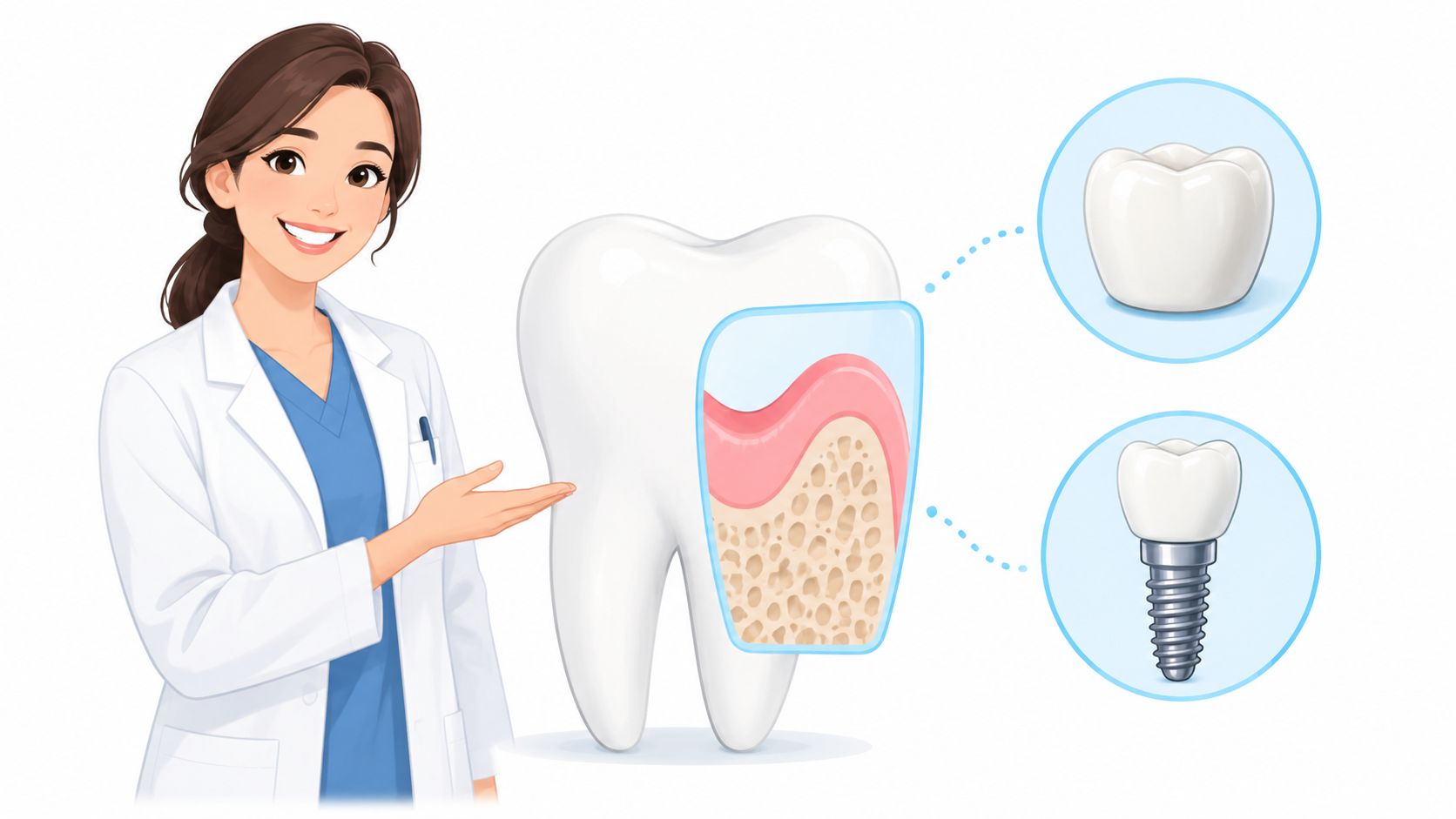
Before applying orthodontic force, an adult evaluation may include periodontal charting and radiographs when indicated. Bleeding, periodontal pockets, infection, or unstable inflammation should be addressed first. The patient also needs a home-care routine that remains realistic once brackets, wires, or aligner attachments make cleaning more demanding.
A careful protocol commonly involves:
- Assessing support: The orthodontist and dental professional review gum condition, bone levels, recession, restorations, and missing teeth.
- Stabilizing disease: Active inflammation or infection receives treatment before tooth movement begins.
- Planning conservatively: The proposed movement stays within the available periodontal and skeletal support.
- Monitoring during care: Gum health, hygiene, and tooth response receive attention at follow-up visits.
- Coordinating providers: A general dentist or periodontist may contribute when the medical or dental history requires it.
Adults with previous periodontal disease, recession, bone loss, smoking exposure, or diabetes may need closer monitoring. Crowns and missing teeth can also affect spacing, anchorage, and the timing of future restorative work. The reassuring conclusion is balanced: many adults can receive orthodontic care after appropriate preparation, but a safe plan begins with health assessment, not alignment alone.
Your Next Step in Delaware
Uncertainty usually persists when an adult tries to choose an appliance before learning what the bite actually needs. A consultation reverses that order. The orthodontist examines tooth position, bite relationships, gum condition, existing dental work, and the patient's priorities before discussing whether braces, clear ceramic braces, or clear aligners are appropriate.
An iTero digital 3D scan can create a detailed model without traditional impression material. That model supports a conversation about possible tooth movement and treatment objectives, but it doesn't promise a fixed result before the clinical examination is complete.
Questions to bring to the appointment
A Delaware adult can make the consultation more productive by asking:
- What problem is treatment correcting, and what improvement is realistic?
- Does gum health or bone support limit any planned movement?
- Would fixed braces or aligners provide better control for this case?
- What treatment length and appointment rhythm should be expected?
- What risks deserve attention, including recession, root resorption, demineralization, or relapse?
- What retainer type and long-term schedule will protect the result?
- Which costs are included, and how will insurance or financing apply?
Stellar Orthodontics offers free consultations with iTero digital 3D scanning at offices in North Wilmington, Middletown, West Dover, and Millsboro. Those locations provide access for adults across the Brandywine Valley, MOT corridor, Kent County, and Sussex County, while the consultation itself remains focused on the individual patient rather than a generic timeline.
For an adult who has been asking whether braces are still worthwhile, a consultation is a low-risk way to replace assumptions with clinical answers. The decision may be braces, aligners, delayed treatment after periodontal care, or no treatment at all. The valuable outcome is a plan that matches the patient's health, goals, schedule, and willingness to maintain the result.
Adults in Delaware can book a free consultation with Stellar Orthodontics to discuss braces, clear ceramic braces, or clear aligners alongside gum health, treatment timing, cost, and retention. With offices in North Wilmington, Middletown, West Dover, and Millsboro, the practice can help determine whether orthodontic treatment fits the patient's dental needs and long-term goals.